1 in 6 people across the world live with a disability.
On International Day of People with Disability, the Eye and Ear aims to promote understanding and acceptance within the community and create awareness of the support networks in place to assist those living with disability when accessing care at the hospital.
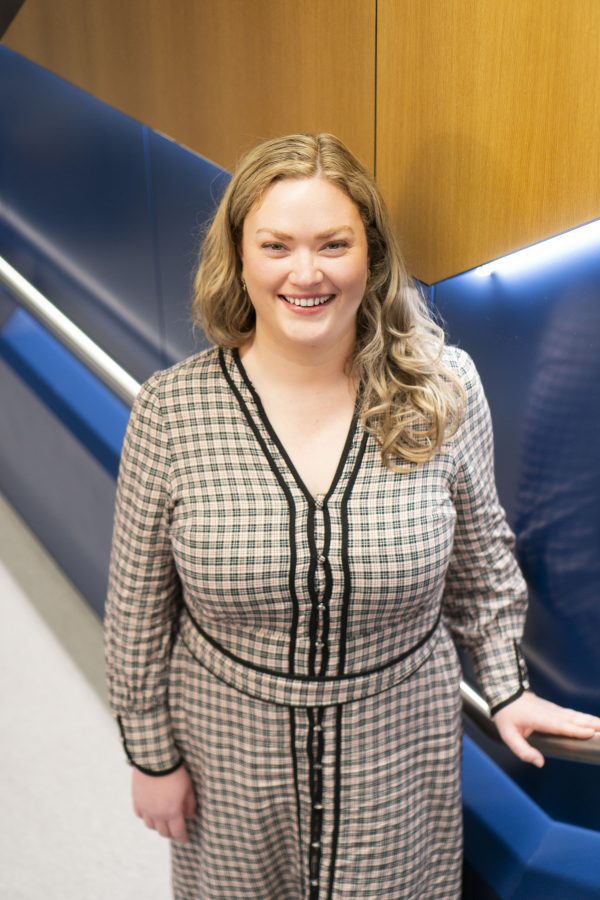
Brianna is the Disability Liaison Officer at the Eye and Ear, who has also worked as a Social Worker within the hospital for the last few years.
We sat down with Brianna and asked her some questions about her role within the hospital and how patients, families and carers can seek support.
Can you tell us a bit about yourself?
I work alongside patients with disability, their families and carers to ensure hospital care is accessible, respectful and tailored to individual needs. I liaise closely with clinical teams, GPs and NDIS case coordinators to plan reasonable adjustments, support communication, and coordinate care through admission, treatment and discharge. My focus is on reducing barriers so that patients feel safe, supported, and understood at every stage of their hospital journey.
What is the role of a Disability Liaison Officer in a hospital, and who do you support?
I support patients with disability, their families, and carers to have a safe, inclusive hospital experience by working with the patient or their supports to assess and identify barriers to care at hospital with access, communication and care planning.
How do you work with NDIS providers, carers, and GPs to support patients with disability?
I coordinate with NDIS case coordinators, GPs, and carers to share information, plan supports, and make sure hospital and community services align for safe care, discharge and to support patients to attend the hospital.
What are the most common barriers people with disability face in hospitals, and how do you help address them?
Barriers often include communication, physical access and mobility, sensory issues and navigating complex systems. I work with hospital staff to provide adjustments and advocate for patient needs.
Can you share an example of how you’ve supported a patient with disability through hospital care?
I supported a patient with an intellectual disability who was feeling very anxious about their upcoming procedure. I identified barriers around understanding complex medical information and communicating with staff, and then worked with the patient and their carer to assess what supports were needed. I prepared an Easy Read document, which helped the patient understand the information about what the procedure was for and what to expect. These adjustments assisted the patient to understand the information discussed, reduced their anxiety and made communication with staff much smoother.
What do you wish more GPs and NDIS carers knew about hospital systems and how to work with you?
That early contact makes a big difference — the sooner we know about a patient’s needs and supports required, the better we can plan and coordinate care.
When should someone contact a Disability Liaison Officer for support?
When you or someone you are supporting has identified a barrier to accessing services at the hospital.
What is the best way to make an appointment to speak with a Disability Liaison Officer at the Eye and Ear?
You can contact the Disability Liaison Officer by phone leaving a voicemail PH: 03 9929 8727, emailing disabilityliaison@eyeandear.org.au, or ask a hospital staff member to refer you/the patient.