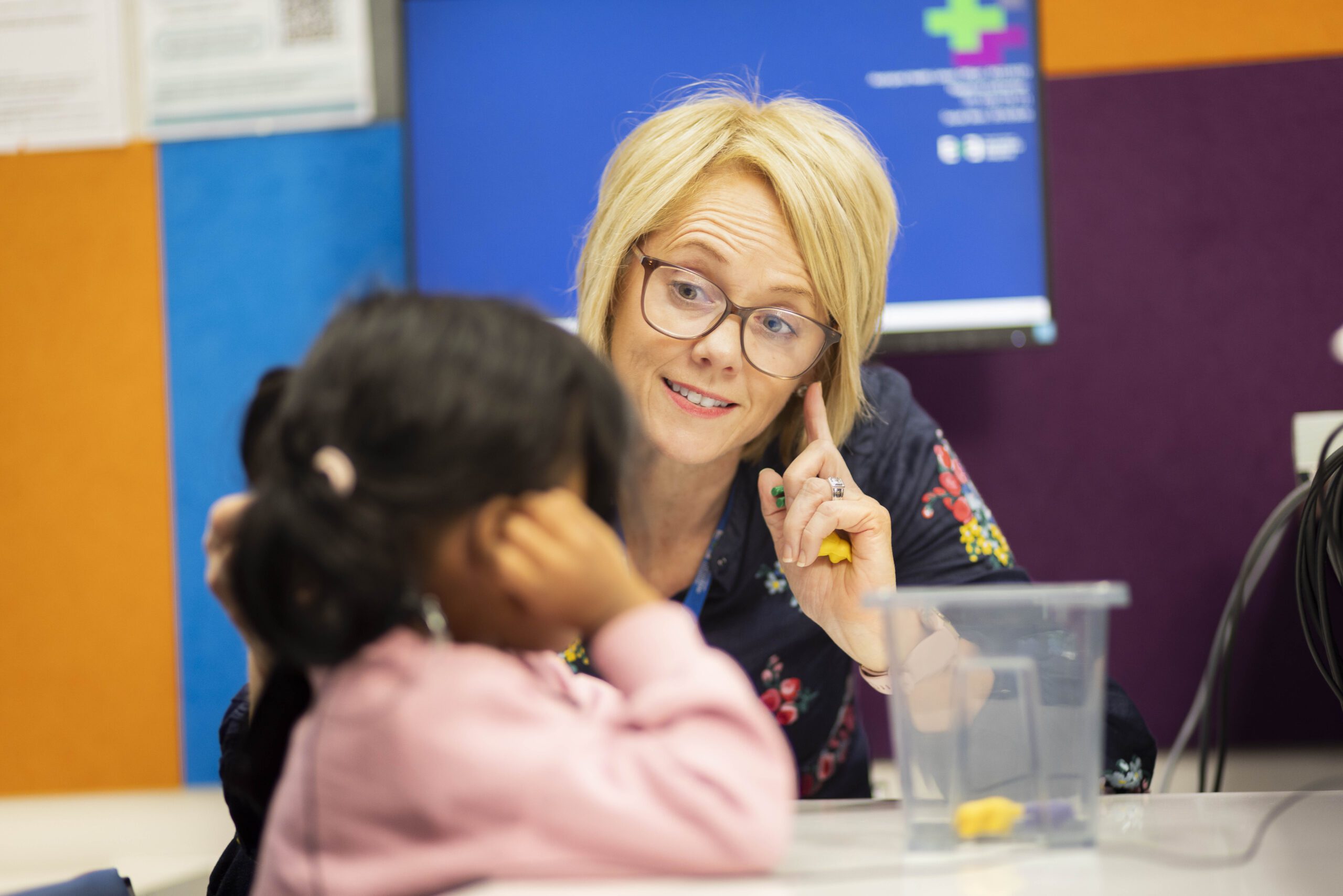
Glaucoma is the leading cause of blindness in Australia and affects an estimated 300,000 people. With no cure available and ongoing treatment necessary, this disease places a large strain on specialist healthcare institutions like the Eye and Ear.
The Eye and Ear’s Glaucoma Community Collaborative Care Program (G3CP) is bringing together community providers to ease pressure on the hospital’s waitlist and provide patients with local care.
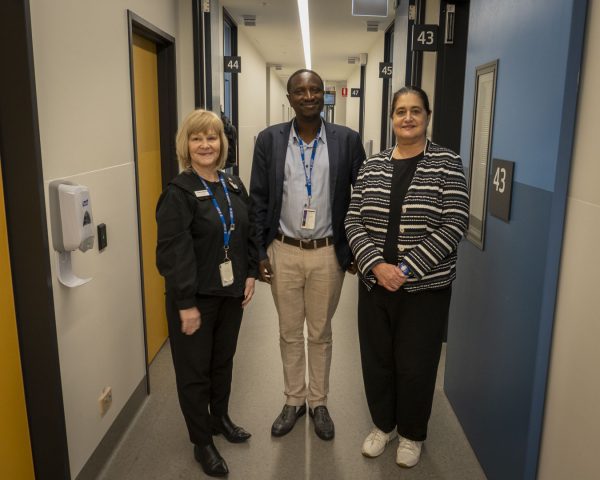
Patients first undergo an initial assessment by a glaucoma specialist at the Eye and Ear. Those with mild-moderate and stable glaucoma can then join the program to access care from local optometrists.
After an initial pilot program to demonstrate G3CP’s safety and effectiveness, the program has expanded rapidly. The number of participating optometrists more than doubled from 17 to 43 in 2023-24 and there are now 366 active patients, making G3CP the largest program of its kind in Australia.
For patients, G3CP provides access to appropriate and timely care with reduced travel and wait times. Regularly visiting the same local optometrist also improves patients’ continuity of care.
Community providers also benefit from the program, which connects them to a network of optometrists across Victoria and provides training opportunities with senior Eye and Ear staff.
Dr Catherine Green AO, former Head of the Glaucoma Unit and ophthalmology lead of G3CP, stressed that upskilling is a key element of the program.
“A key component has been continuing professional development opportunities for the participating optometrists, so they have access to the glaucoma doctors at the hospital and are also part of a community of practice all doing the same thing,” she said.
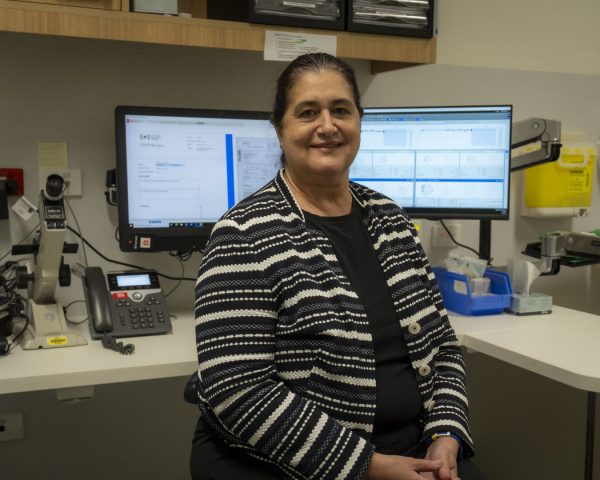
Dr Green said the program has had positive results both for both patients and practitioners.
“There’s a very high acceptance from patients that they actually preferred seeing a local optometrist for some of the visits knowing they are still under the supervision of the glaucoma clinic and glaucoma specialists, and very high satisfaction from the optometrists in that they enjoyed seeing slightly more complex patients.”
Dr Green hopes to continue expanding G3CP to provide care for more patients. “We are now at the stage that we are really wanting to scale it up by adding more optometrists and look at ways to recruit more patients,” she said.
This article is an excerpt from our Innovate 2023-2024 research publication which you can view here.
Funding for this project is generously provided by The Penelope Foster Foundation.