
This Anzac Day, we honour and remember all who served and sacrificed in war and peacekeeping. Today we share a story of one of our nurses, who came to us after serving in World War I and helped to keep the Eye and Ear staffed during World War II.
Bessie McPhail was born in Scotland and came to Australia when she was a young child, when her family settled in Victoria.
In 1916 Bessie enlisted as an Australian Army Nurse during World War I, where she served in the No 4 Sea Transport Staff Unit.
Over the next four years, Bessie’s service took her across Europe and the Middle East, including Scotland, England, France, and Alexandria by boat, before returning to Australia in 1919.
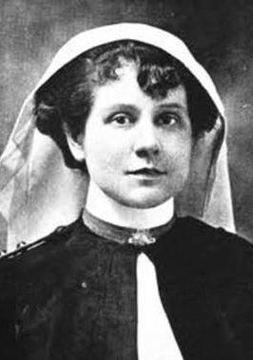
Once she returned to Australia, Bessie was discharged from service and awarded the 1914-15 Star, British War Medal and Victory Medal, awarded to British and Imperial service members for their service in WWI.
Following the war, Bessie was employed at Anzac House, a facility for repatriating soldiers with severe disabilities, where she worked for seven years prior to joining the Eye and Ear in 1927.
Bessie served under Matron Lucy Jones, a pioneering Matron who had transformed the hospital through her patient-centred approach to clinical care and fought for the rights of patients and staff to improve conditions.
Matron Jones retired in late 1939, passing over the baton to Nurse Frances Johns to serve as the new Matron. However, this tenure was short-lived, as shortly after being appointed, Matron Johns left to serve in WWII alongside many other nurses and doctors across Australia.
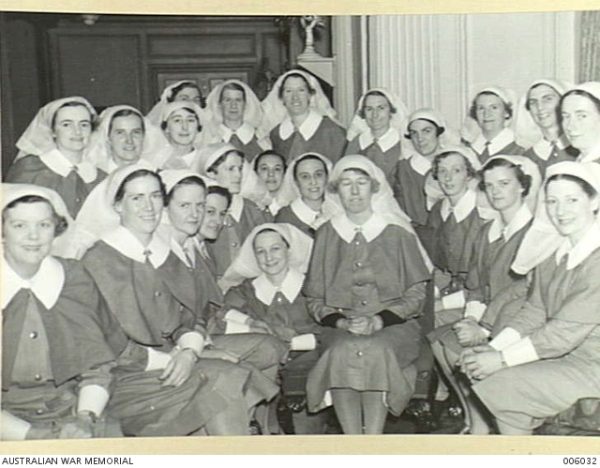
As someone who herself had left when the call to war came, she understood the impact this would have on hospital staff, Bessie stepped up in Matron Johns’ absence. It was remarked in The Argus, a local paper, about her becoming Matron of the Eye and Ear:
“For service in the last war, Miss McPhail is in agreement with nurses who are joining up today, but she admits that enlistments have led to a definite shortage of nurses for hospitals in Australia.”
Despite the staffing issues Bessie experienced during the war, she continued to serve as Matron from 1940-1945. Nurse Johns returned from service in 1945 and resumed her title as Matron.
Shortly after, Bessie resigned at age 65 after 18 years of service at the Eye and Ear.
Bessie’s story is one of many stories of exceptional heroics and true spirit shown by those whom we remember on this day.
We thank them for their service, and we will remember them.