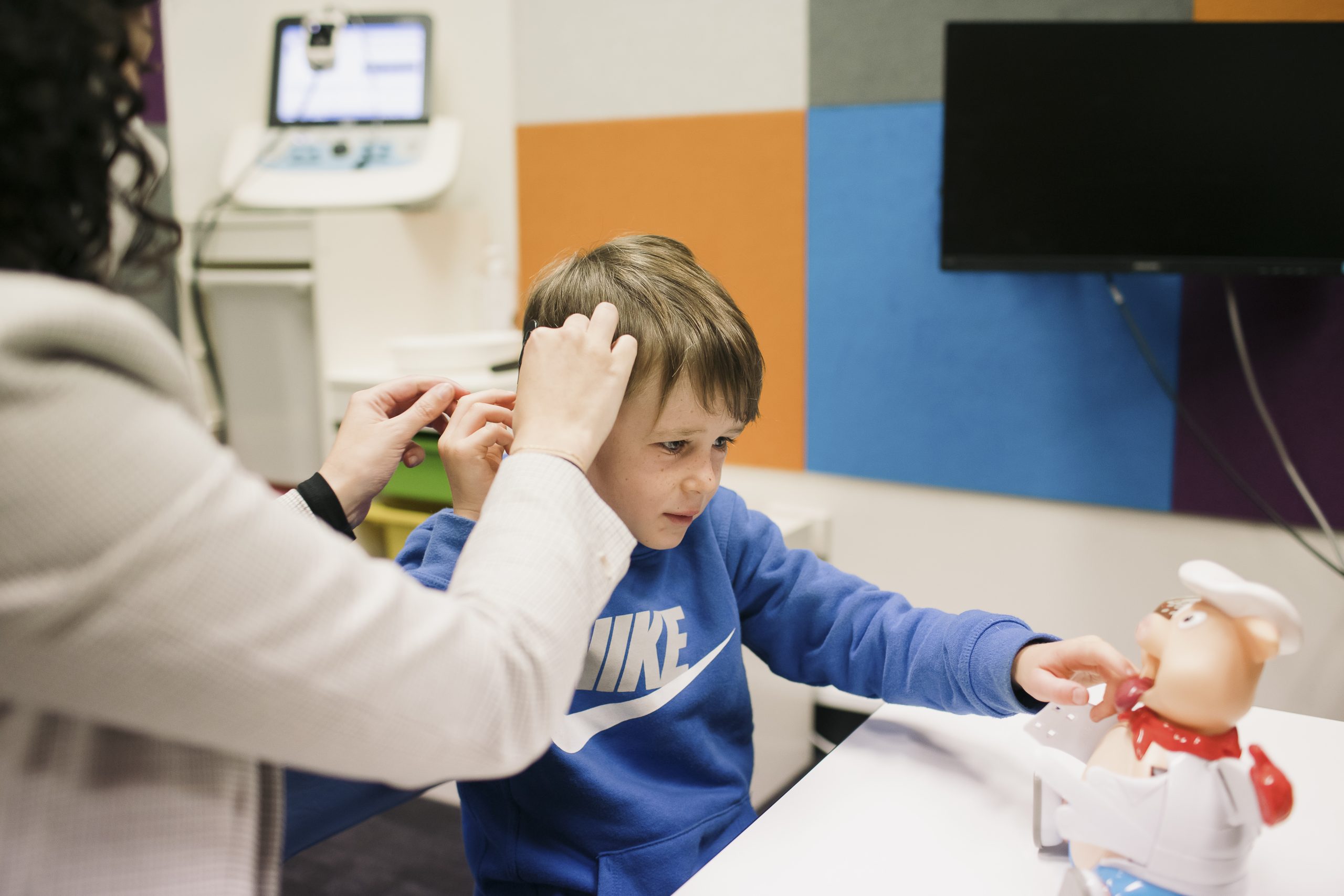
As the name suggests, sudden sensorineural hearing loss (SSHL) occurs very rapidly and often surprises patients. In many cases, they go to sleep feeling fine but wake up with hearing loss. This abrupt onset can be especially distressing.
SSHL is a mysterious illness whose exact cause and pathophysiology is not well understood. Since the 1970s, the prevailing theory has been that it stems from cochlear damage caused by acute inflammation, but most patients lack clear investigation results.
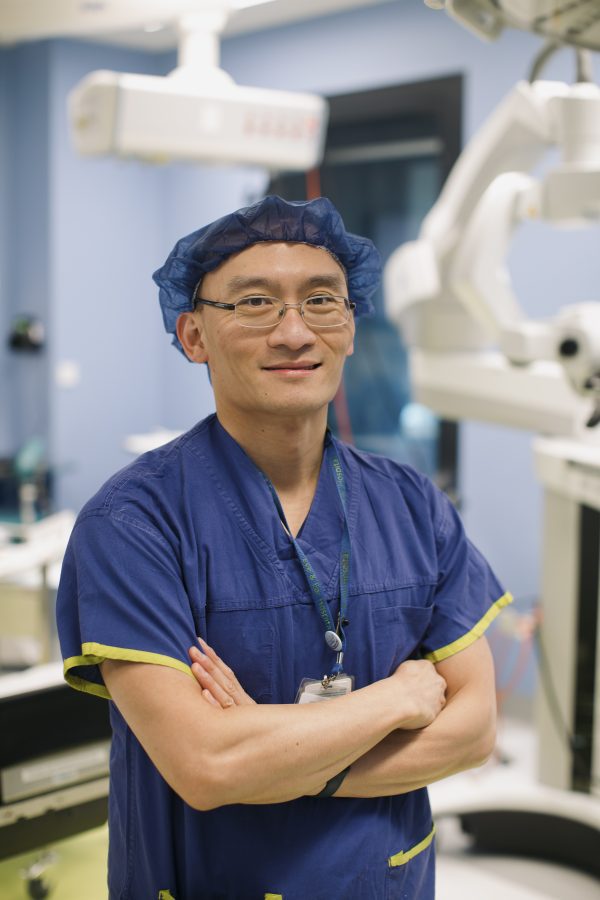
“The overwhelming majority of patients with SSHL return normal results on blood tests and MRI scans. It’s very difficult to determine exactly what causes this hearing loss,” says Dr Benjamin Wei, an ear, nose and throat specialist at the Eye and Ear.
Oral prednisolone is the most common treatment for SSHL, but it is often not effective, with up to half of those diagnosed with SSHL failing to regain their hearing.
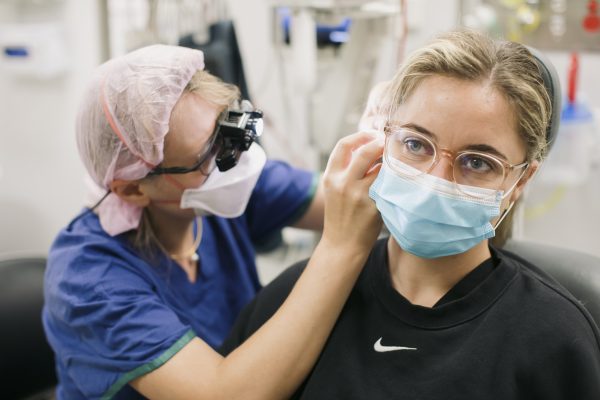
An increasingly popular alternative is intratympanic dexamethasone injections, which administer an anti-inflammatory steroid into the middle ear. This is a routine injection technique used in many common ear treatments and allows the doctor to achieve a higher medicine concentration in the ear.
However, there is no high-quality research to demonstrate the effectiveness of this treatment.
“There is a lack of strong evidence that this treatment has a tangible positive impact on patient outcomes,” says Dr Wei. “These injections fit the predominant hypothesis of how SSHL occurs, but it’s very important we conduct well-designed trials to confirm whether our treatments truly help patients.”
Dr Wei is leading a new trial at the Eye and Ear to assess the impact of intratympanic dexamethasone injections. The study uses a double-blind placebo control method, which will make it the most robust trial of this treatment worldwide.
The study has strict eligibility requirements for participants, who must have their first injection within two weeks of losing hearing. Additionally, participants should not be started on oral prednisolone before joining the clinical trial, which could muddy the study’s results.
“Many people initially dismiss their hearing loss as a blocked ear and they’re slow to seek medical advice,” notes Dr Wei. “When they seek help, they often go to a GP rather than an Emergency Department at a general hospital where they would usually be triaged as lower priority and face a lengthy wait.”
As a specialist hospital, we see significantly more patients with SSHL present to the Eye and Ear than other hospitals. Currently, there are approximately 50 participants in the study and Dr Wei hopes to recruit almost 200 participants before analysing the results.
“Without the Eye and Ear, this study wouldn’t be possible. We simply wouldn’t be able to recruit enough participants in a reasonable timeframe.”
Dr Wei hopes the trial will aid clinicians in the future. “It’s vitally important that medical treatments are evidence-based. Studies like this are crucial to ensure that we provide the best possible care to our patients.”
This story is an excerpt from our Innovate 2023-2024 publication which you can view here.